


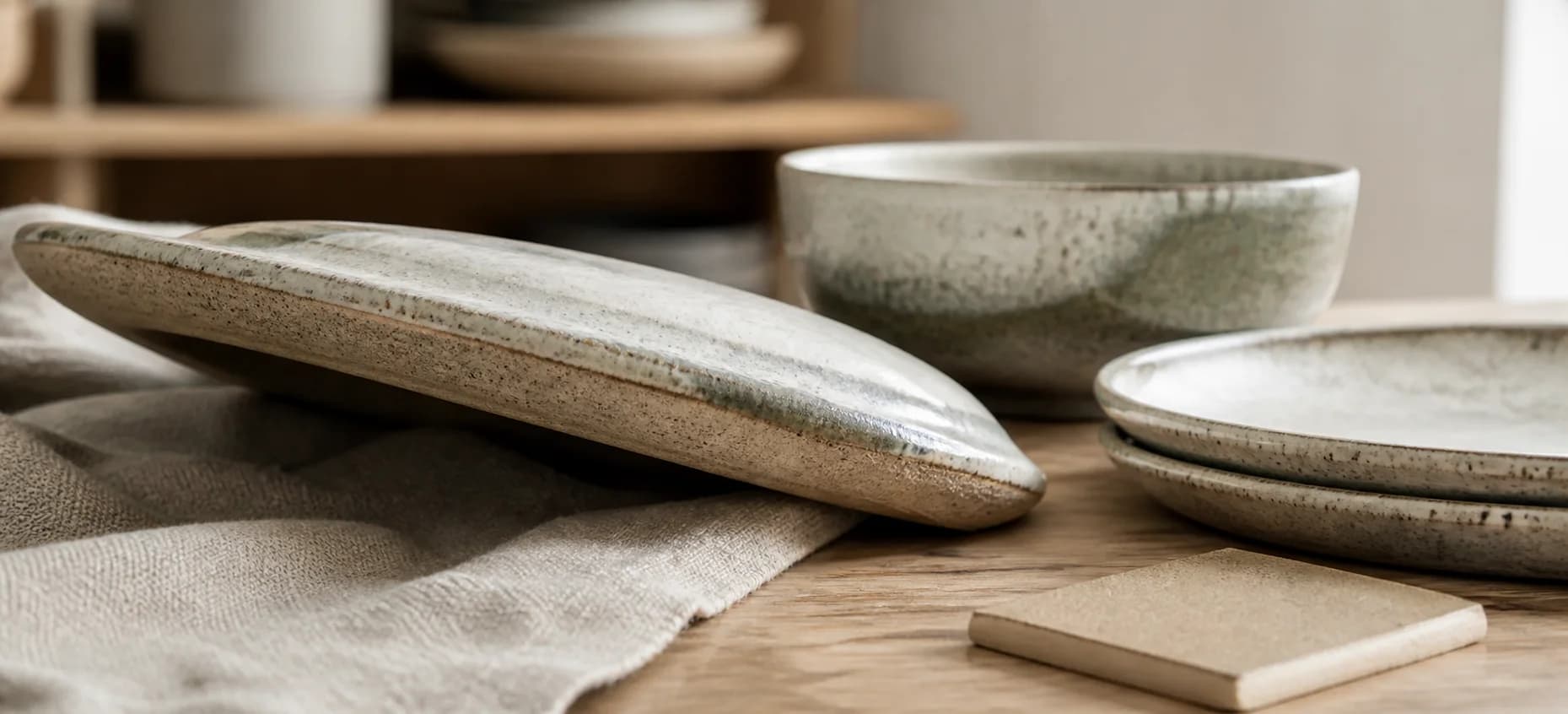
What makes stoneware different
Clay, glaze and the useful beauty of controlled variation.
Read the guideClear guides to plates, bowls, mugs and complete sets—so you can buy once and enjoy every table.
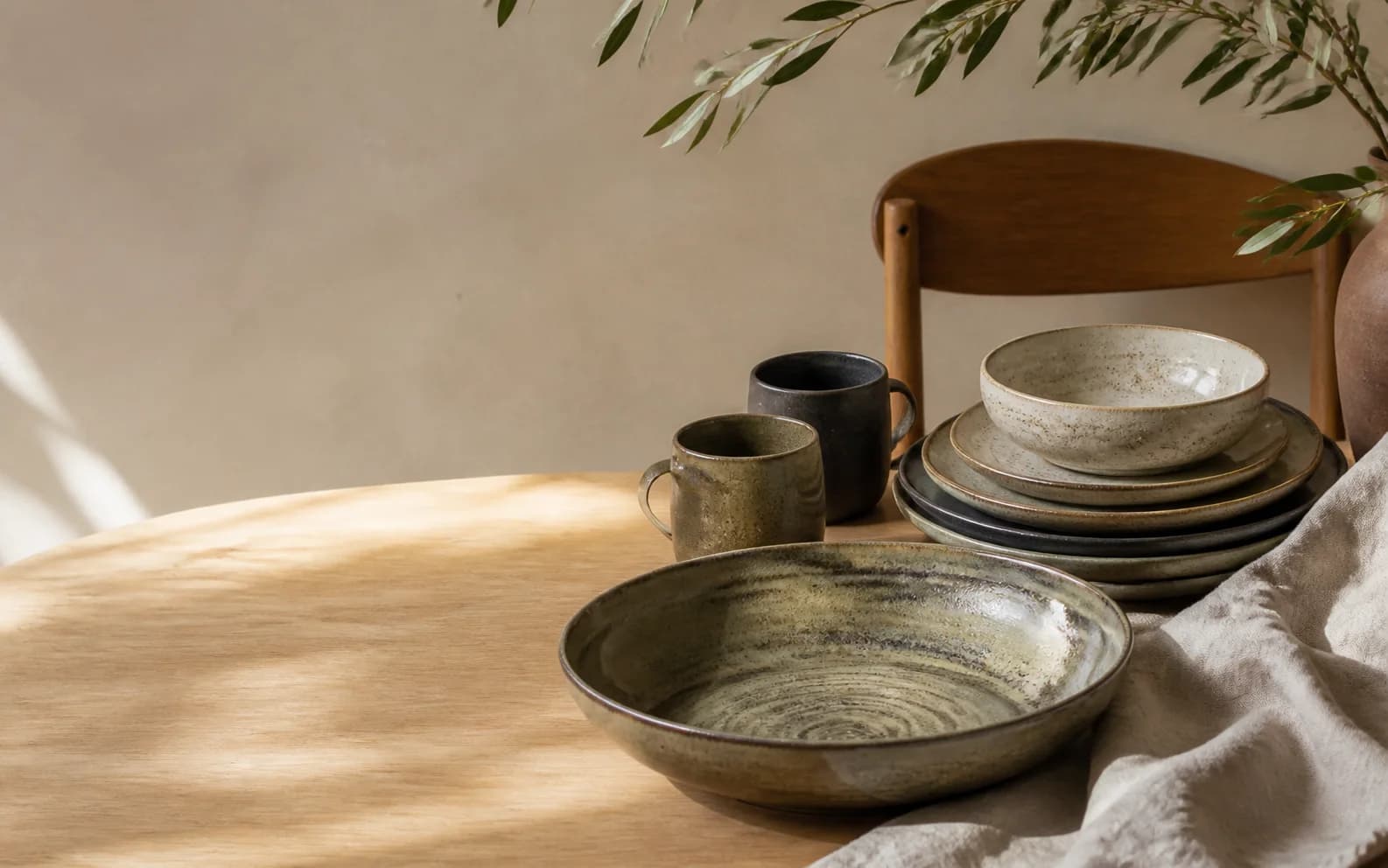
Stoneware is a dense ceramic body fired for strength. At the table, its appeal is the balance of practical durability, reassuring weight and glazes that make ordinary meals feel considered.
Learn what stoneware is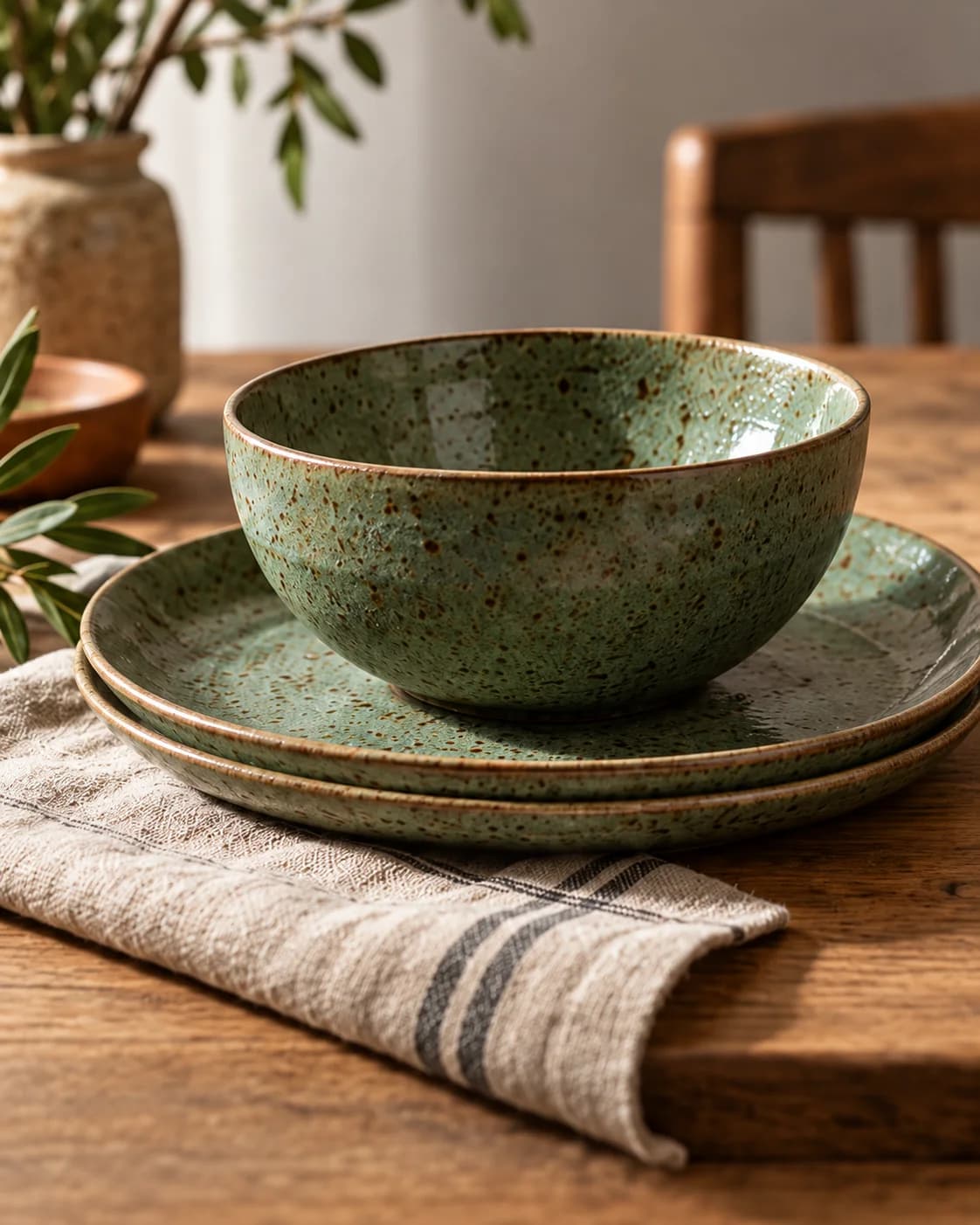
Start with people and useful pieces. The total on the box comes second.
16 everyday pieces · serving dishes are extra
A planning checklist, not a product specification. Compare the seller’s actual box contents.
Read the set buying guide| Consideration | Stoneware | Porcelain |
|---|---|---|
| Feel | Substantial and warm | Often lighter and refined |
| Look | Organic glazes and natural variation | Crisp, bright and uniform |
| Daily life | Relaxed tables and tactile character | Everyday through formal settings |
| Decision | Choose for presence and glaze | Choose for lightness and versatility |
Clay, glaze and the useful beauty of controlled variation.
Read the guide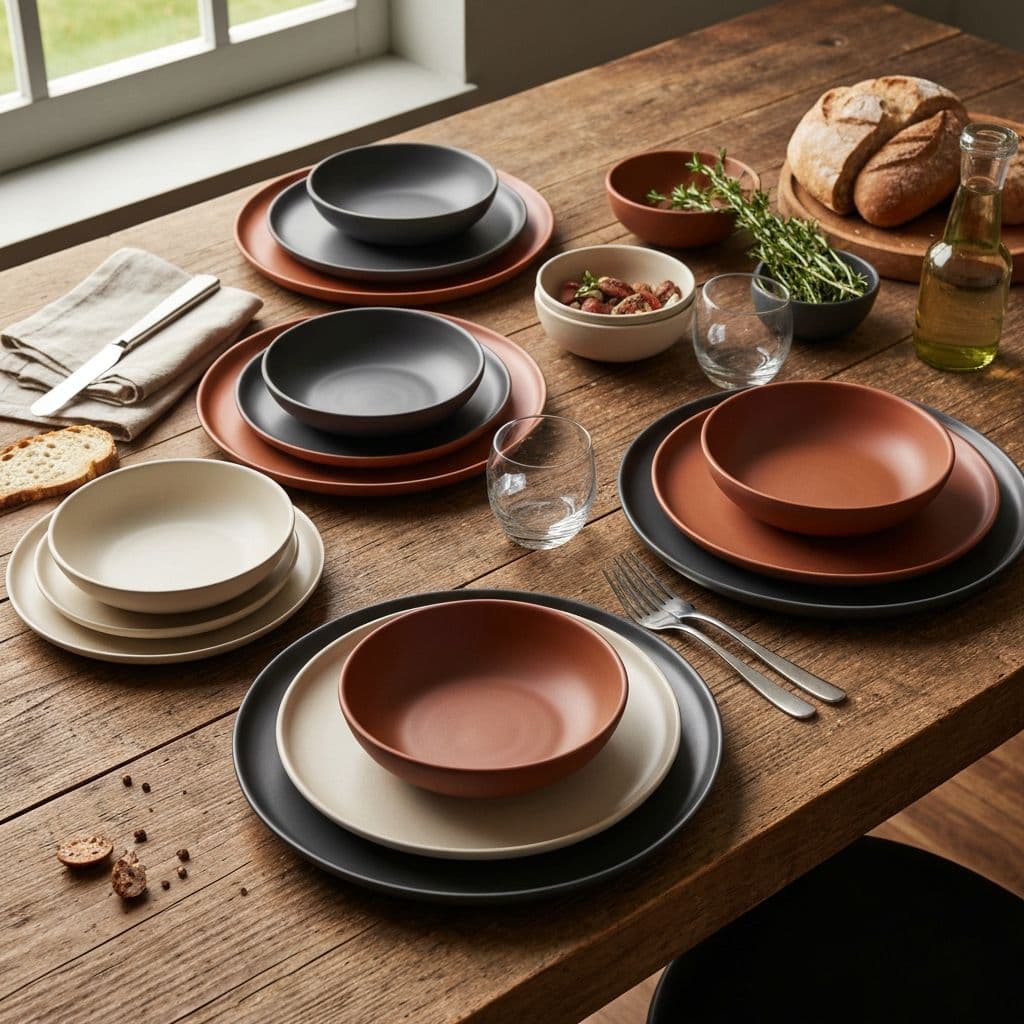
A checklist for pieces, proportions, storage and replacements.
Read the guide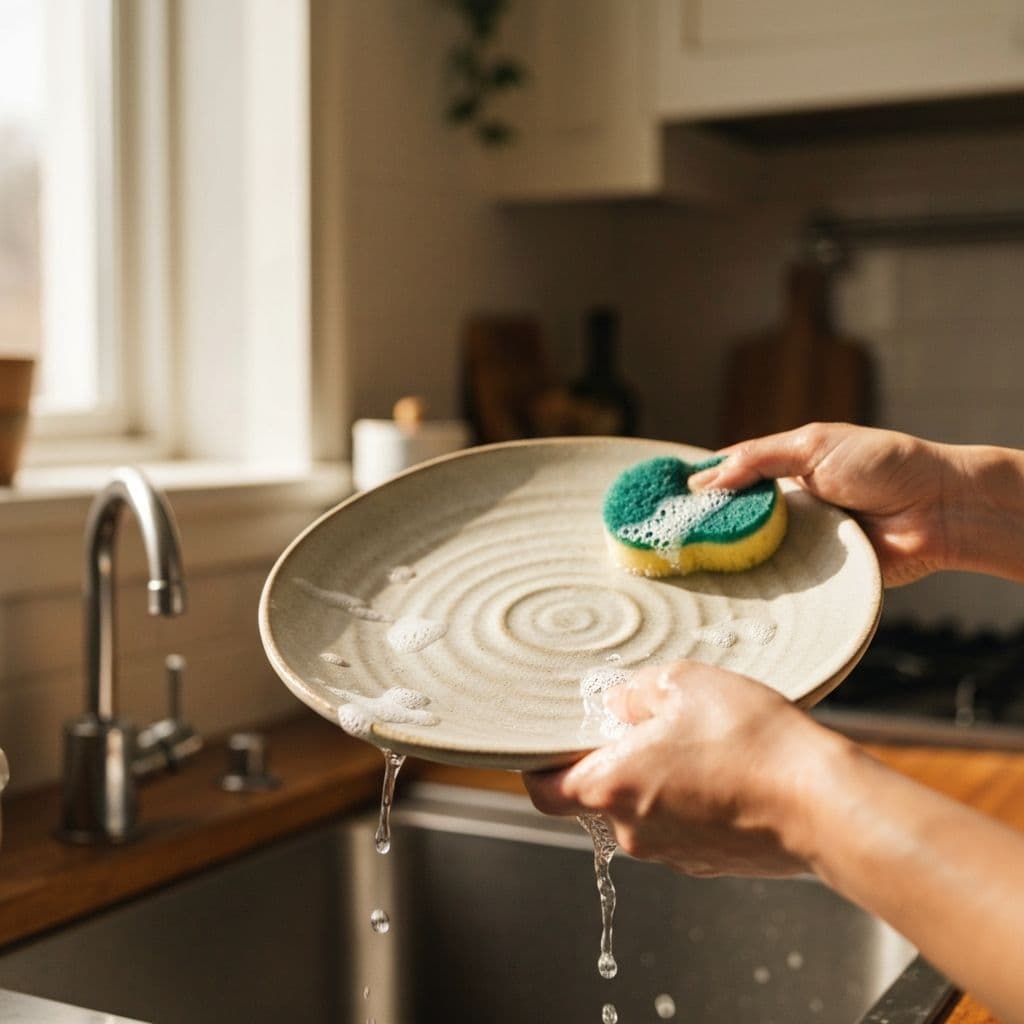
Calm habits for washing, stacking and temperature changes.
Read the guideDirect answers, with no claim that every piece behaves the same.
Stoneware dinnerware is ceramic tableware made from a dense clay body fired until it becomes strong and low-porosity. It usually feels substantial and often has a warm, organic or handcrafted look.
Many glazed stoneware pieces are dishwasher safe, but the maker’s care label is the final authority. Hand washing is gentler on matte, metallic, hand-painted or crackle glazes.
Often yes, when the manufacturer marks it microwave safe. Do not microwave pieces with metallic decoration, and avoid sudden temperature changes that can stress the clay body or glaze.
Only use a piece in the oven when its product instructions give a temperature limit. Dinnerware and bakeware may both be stoneware, but they are not automatically interchangeable.
Neither is universally better. Stoneware suits people who enjoy a weightier feel and organic glazes; porcelain is often lighter, brighter and easy to use for formal as well as everyday settings.
Reactive glazes can shift in color and texture as minerals respond to heat in the kiln. Controlled variation is part of the finish, but product photos and return policies are still worth checking before you buy.
Independent buying guidance, reviewed October 9, 2026. Our checklist is a starting point for your household; it is not a tested product ranking. Photographs are illustrative and do not identify a specific set.
For material background, see Lenox’s stoneware and porcelain guide. For an example of why contents matter, IKEA’s GODMIDDAG 18-piece set includes six dinner plates, six side plates and six bowls. Always use the care instructions for the exact product.
Read our editorial policyUse the guides to choose stoneware with confidence.